The Evolution of the Slot: From Mechanical One-Armed Bandits to Digital Entertainment Hubs
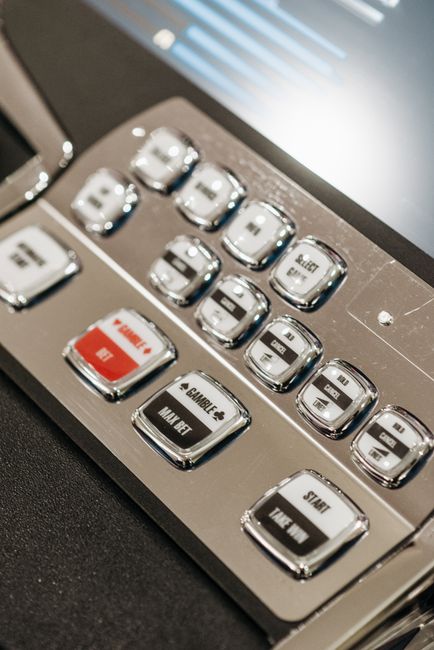
Introduction: The Ubiquitous Slot Machine
The term 'slot' evokes images of spinning reels, flashing lights, and the distinctive sound of coins cascading into a metal tray. For over a century, the slot machine has been a central pillar of casinos and gaming establishments worldwide. Yet, the modern slot is a far cry from its humble beginnings. Today, these devices represent a multi-billion dollar industry that blends advanced technology, behavioral psychology, and regulatory oversight. Understanding the evolution of the slot machine offers insight into how a simple mechanical contraption transformed into a sophisticated digital platform that captivates millions. This article explores the history, technology, and cultural impact of the slot, while addressing the critical aspects of responsible engagement.
The Mechanical Origins: The Liberty Bell and the One-Armed Bandit
The first recognizable slot machine was invented by Charles Fey in San Francisco in 1895. The 'Liberty Bell' featured three spinning reels with five symbols: horseshoes, diamonds, spades, hearts, and a cracked Liberty Bell. The machine was entirely mechanical: a lever on the side (the 'one arm') set the reels in motion, and a payout mechanism dispensed coins automatically if winning combinations aligned. This was a revolutionary departure from earlier gambling devices, as it offered automatic payouts and a simple, visual game. The Liberty Bell's success spawned a wave of imitators, but legal restrictions in the early 1900s forced many manufacturers to pivot. This led to the creation of 'fruit machines' in the United Kingdom, which dispensed gum flavored with fruit extracts—hence symbols like cherries, lemons, and plums that persist on slots today. The mechanical slot reigned supreme for decades, its clunking gears and springs defining the gaming experience.
The Digital Revolution: RNGs and Video Slots
The late 20th century brought a seismic shift with the advent of microprocessors. The first video slot was introduced in 1976, using a modified Sony Trinitron color television. By the 1980s, random number generators (RNGs) replaced physical reels, allowing for far more complex game designs. An RNG is a computer algorithm that continuously generates random numbers, even when the machine is idle. When a player presses the 'spin' button, the RNG selects a random number that corresponds to a specific symbol arrangement on the virtual reels. This innovation allowed developers to offer multiple paylines, bonus rounds, and progressive jackpots. The traditional 'one-armed bandit' became a digital entertainment center, featuring elaborate themes based on movies, mythology, and pop culture. Modern slots now operate on sophisticated software platforms, with high-definition graphics, immersive soundscapes, and interactive features like 'hold and spin' mechanics or cascading reels.
The Psychology of Slot Design: Why We Keep Spinning
Slot machines are not merely games of chance; they are carefully engineered products based on behavioral psychology. The near-miss effect—where the reels stop just one symbol short of a winning jackpot—has been proven to encourage continued play by tricking the brain into feeling 'almost lucky.' Regular reinforcement schedules, where small wins are frequent but unpredictable, create a powerful dopamine response. This is often compared to the conditioning of a pigeon pecking a lever for food. Additionally, 'losses disguised as wins' (LDWs) occur when a spin results in a payout that is less than the original bet but triggers celebratory sounds and animations. These psychological triggers are legal in most jurisdictions but have drawn criticism from addiction specialists. The modern slot industry invests heavily in data analysis to optimize 'player engagement metrics,' blurring the line between entertainment and exploitation. For those interested in the technical and regulatory nuances of contemporary gaming, resources like slot platforms provide deeper insights into responsible gambling frameworks and industry standards.
Regulation and Responsible Gaming
The global slot industry operates under stringent regulations that vary by jurisdiction. In the United States, every licensed casino must ensure that slot machines meet Rigorous testing standards for RNG fairness and payout percentages (RTP). The Nevada Gaming Control Board, for instance, requires that all slot software be certified by independent testing labs like GLI (Gaming Laboratories International). In Europe, the UK Gambling Commission mandates that slot games display clear RTP information and implement mandatory loss limits for online players. However, the rise of online slots has complicated enforcement. Cryptocurrency-based slots and offshore operators often bypass these regulations, exposing players to unchecked algorithms and unpredictable financial risks. Responsible gaming initiatives have become a core part of the industry, with features such as self-exclusion programs, deposit caps, and reality checks built into most reputable online slots. Players are advised to treat slots as entertainment, not as a source of income, and to set strict time and budget limits before playing.
The Future of Slot Technology: VR, Blockchain, and AI
As technology accelerates, the slot continues to evolve. Virtual reality (VR) slots are already emerging, allowing players to walk through a digital casino and interact with machines in a 3D environment. Blockchain-based slots offer verifiable fairness through smart contracts, where the RNG algorithm is open for public audit. Artificial intelligence (AI) is being used to personalize game recommendations and adjust difficulty in real-time, potentially increasing player retention. Another trend is the convergence of slots with skill-based elements, where player actions (like aiming a virtual cannon) can influence outcomes within a specific range, blurring the line between traditional slots and video games. These innovations raise new questions: Should a slot that requires skill be regulated differently? Can AI-driven personalization become predatory? The answers will shape the next generation of gaming. For operators and enthusiasts alike, understanding these shifts is essential, and exploring dedicated resources such as slot analysis can help navigate this complex landscape.
Conclusion: The Slot as a Mirror of Modern Entertainment
The slot machine has traveled a remarkable journey from a mechanical curiosity in a San Francisco saloon to a global digital phenomenon. It reflects broader trends in society: the rise of computing, the sophistication of behavioral psychology, and the ever-present tension between entertainment and regulation. While slots remain a popular pastime for millions, they also serve as a cautionary tale about the power of design to influence human behavior. Whether you view the slot as a harmless diversion or a potential hazard, its evolution is undeniable. As we move into an era of immersive digital experiences, the question is not whether slots will change, but how we will choose to engage with them. Responsible participation, informed by knowledge and self-awareness, remains the key to ensuring that the spin of the reels remains a source of excitement rather than regret.